
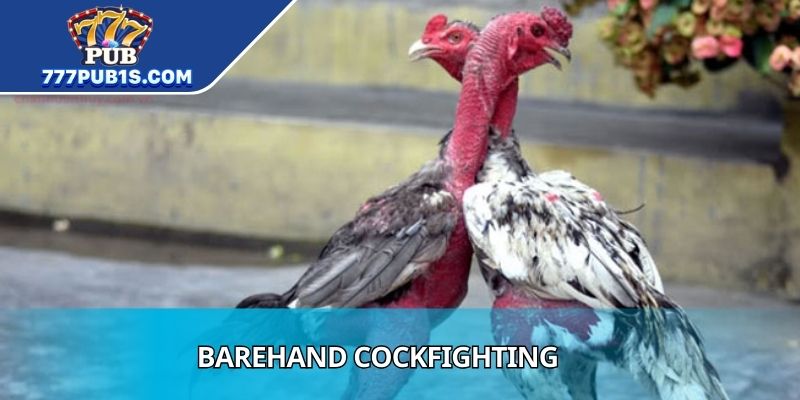
Barehand Cockfighting is more than an intense contest; it symbolizes heritage, shared values, and the evolving story of traditional competition. With platforms like 777PUB, conversations include awareness, balance, and responsibility, ensuring audiences engage with cultural depth.
Origins and cultural journey of barehand cockfighting
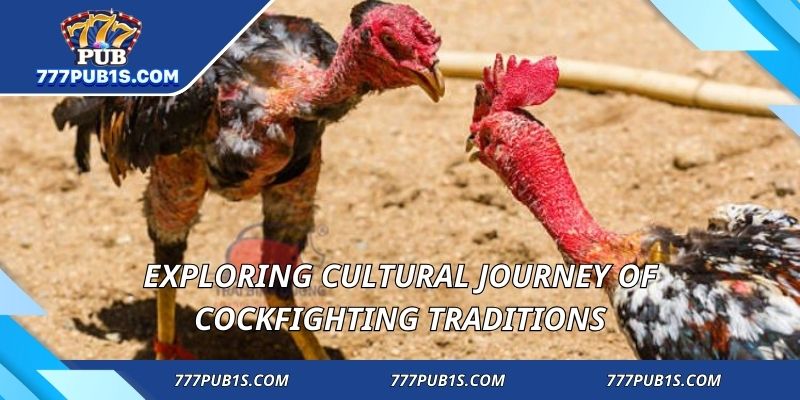
The practice of Cockfighting cannot be understood without examining its origins and the traditions that shaped it. Unlike contests that use blades, this style emphasizes raw instinct and handler skills. To grasp its significance, we must look into history, cultural meanings, and the rules that guide its unique form.
Early beginnings and heritage
Historical accounts describe how communities introduced barehand contests as a purer form of cockfighting. Birds engaged without weapons, showcasing natural strength and instinct. Families considered victories as symbols of honor, carrying prestige across generations. This heritage explains why Barehand Cockfighting holds such strong meaning in cultural memory, linking past traditions with modern interpretations.
Rituals shaping the contest
Rituals remain central to preparation. Handlers carefully groom, feed, and present roosters with ceremonial gestures believed to bring good fortune. These acts create anticipation for spectators, blending ceremony with competition. Without rituals, the contests would lose much of their depth, highlighting how traditions elevate the sport into cultural expression.
Rules and organized structure
Even without blades, rules are essential. Referees oversee weight categories, duration, and conditions to ensure fairness. These guidelines transform instinctive combat into an organized spectacle. By following structure, Barehand Cockfighting maintains respect and credibility, showing that tradition can coexist with consistency and regulation.
Key features that define the contests today
To understand why the contests remain popular, it is helpful to outline their defining features. These highlights show how tradition and gameplay combine.
- Roosters fight using only natural strength and agility. This creates unpredictable and engaging matches.
- Handlers play a visible role during contests. Their involvement adds strategy and cultural depth.
- Arenas are designed to emphasize fairness and safety. The structure ensures trust among participants.
- Rituals before matches highlight heritage. Grooming and symbolic gestures set the tone for the event.
- Spectators generate an energetic atmosphere. Their reactions amplify the emotional intensity of every contest.
- Technology expands awareness of traditions. Broadcasting and forums allow wider discussions about Cockfighting.
Audience experience and cultural reflections
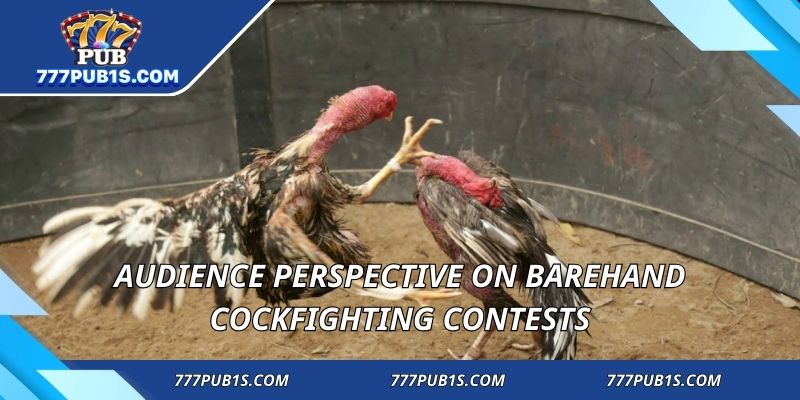
Spectators remain at the center of the event, giving matches their intensity and emotional weight. Without an audience, the contests would lose their energy and shared meaning. Their presence transforms each contest into a communal celebration rather than an isolated competition.
For communities, the contests act as gatherings where people connect with heritage. One hundred words here describe the sensory details of entering the arena, the roar of the crowd, the focus on the handlers, and the unpredictability of the birds. Together, these moments transform the event into something greater than entertainment.
Cultural reflection is also important. Many see Barehand Cockfighting as a living tradition that bridges past and present. For audiences, attending represents participation in identity and continuity. This ongoing connection ensures the contests remain meaningful across changing generations.
Rituals, symbolism, and deeper significance explained
The contests are built on layers of rituals and symbolism that elevate them beyond sport. These elements carry meaning that resonates with both participants and audiences.
Preparation and symbolic acts
Handlers prepare their roosters with rituals that include grooming, feeding, and ceremonial gestures. These acts express respect for tradition and belief in continuity. Spectators view the preparation as integral, recognizing that contests begin long before the first strike.
This stage also helps connect generations of participants. Older handlers pass down techniques and rituals to younger ones, ensuring cultural knowledge survives. In this way, preparation in Barehand Cockfighting is not only functional but also educational, turning each contest into a living classroom of tradition.
Ceremonies during the event
During matches, ceremonies mark the beginning and end. Handlers may salute referees or engage in gestures that reflect respect for community heritage. These moments highlight the connection between gameplay and identity, reinforcing the cultural role of Cockfighting.
These ceremonies also enhance the spectator experience. Audiences witness more than a fight; they engage in shared rituals that heighten anticipation and respect. This ceremonial dimension adds depth, making each event feel like part of a larger cultural story.
Barehand cockfighting and meaning today
The modern contests symbolize resilience and cultural pride. Even as traditions adapt to new settings, the events retain their heritage. The Cockfighting environment demonstrates how rituals and symbolism remain relevant, ensuring continuity across generations.
For many, these contests act as cultural reminders of identity. They provide occasions where communities come together to celebrate both heritage and unity. The meaning today lies not just in the outcome of matches but in the shared recognition of cultural values.
Elements shaping gameplay and audience connection
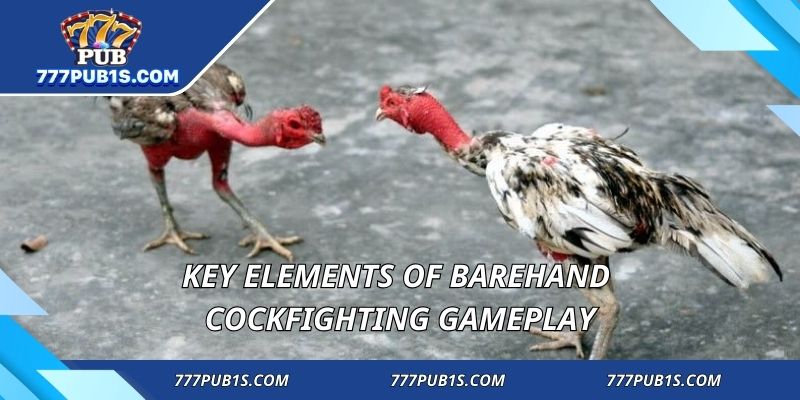
The structure of gameplay reveals how contests balance instinct with organization. To appreciate the unique style, we can focus on key elements.
- Matches emphasize natural instincts of roosters. The unpredictability creates intensity and suspense. This natural approach makes every contest feel raw, authentic, and thrilling for audiences.
- Referees ensure matches remain fair and balanced. Their authority provides trust and consistency. By enforcing the rules, they preserve the credibility of the entire Barehand Cockfighting event.
- Audience interaction fuels atmosphere and meaning. Cheers and anticipation transform contests into collective experiences. Their involvement turns matches into shared memories that last beyond the arena.
- Rituals frame the entire event from start to finish. These acts provide continuity, ensuring heritage is preserved. They also remind participants that each contest is part of a much larger cultural story.
- Technology highlights traditions in modern ways. Broadcasts, recordings, and forums keep Cockfighting part of cultural discussion. This innovation ensures the tradition remains accessible to new generations.
Conclusion
Barehand Cockfighting represents tradition, ritual, and cultural expression woven into competition. Today, audiences experience it as more than entertainment; it is a reflection of community identity and continuity. With 777PUB, awareness and responsibility become part of the conversation, ensuring balance in how the contests are understood.





