

World Sabong Championship has become a powerful symbol of tradition, competition, and cultural pride. Modern audiences discover its significance through both live events and digital channels like 777PUB, where the focus includes awareness and responsibility.
Origins and cultural journey of world sabong championship
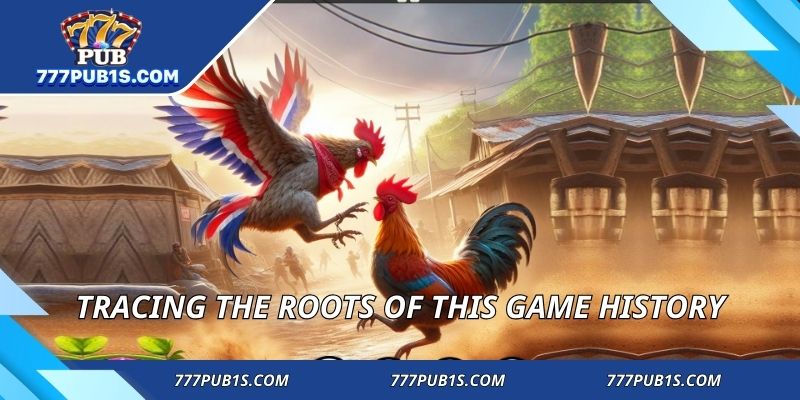
The roots of World Sabong Championship stretch back through centuries, when cockfighting served as a communal ritual and spectacle. Families gathered to test their finest birds, celebrating both the contest and the pride of ownership. In this early context, sabong symbolized unity, shared heritage, and local prestige.
Over time, the practice developed new dimensions. With structured arenas, referees, and clearer rules, competitions became more than casual entertainment. The addition of modern platforms, storytelling, and recognition transformed sabong into a tournament of serious cultural standing. Spectators began to travel to see the best roosters, turning small gatherings into major events.
Today, its identity balances tradition and global awareness. The tournament stands not only as a reflection of cultural continuity but also as a stage for conversation. One hundred words here detail how the competition is discussed online, in publications, and across communities, proving its reach has exceeded local boundaries and secured a place in global heritage.
Rules, rituals, and deeper aspects of participation
The World Sabong Championship is not just about the match itself; it involves layers of rituals, customs, and regulations. Competitors prepare extensively, ensuring their birds are ready for the demanding contest. The sport is deeply structured, blending instinctive performance with cultural ceremony. These aspects shape the identity of the tournament, and to understand them requires looking at the rules and practices at multiple levels.
Traditional rituals in preparation
Ceremonies mark the beginning of contests, where handlers showcase birds with respect and careful observation. Preparation for the World Sabong Championship includes grooming, feeding, and symbolic gestures believed to bring fortune. These acts connect participants to older traditions that still influence today’s championship environment. By maintaining these practices, communities preserve authenticity while sharing cultural pride through competitive displays.
Rules that govern fair competition
Matches are not chaotic but guided by clear regulations. Birds are matched by weight and ability, and referees ensure fairness in each round. Blades and match duration are standardized, protecting the competitive balance. These frameworks help maintain trust among participants and audiences, making the championship a credible and respected event within the wider cultural landscape.
World sabong championship in modern context
In the modern form, the game integrates technology, scheduling, and expanded audiences. Matches can be viewed across borders, with digital records preserving outcomes for analysis. This evolution allows the sport to keep pace with global interest while retaining its ceremonial essence. Modern context therefore highlights both heritage and contemporary accessibility.
Key highlights that define the tournament structure
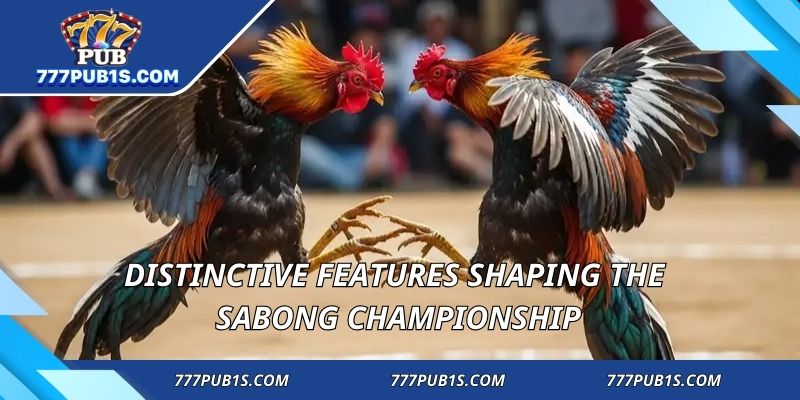
The championship is known for unique characteristics that make it stand apart from other competitions. To understand why it captures such attention, we can examine some of its defining highlights.
- Roosters are selected through generations of careful breeding. Families view this process as a legacy, where each champion bird continues a bloodline of strength and pride.
- The environment of the World Sabong Championship arena is ceremonial yet competitive. Crowds gather with anticipation, creating an atmosphere that combines celebration with suspense.
- Referees and officials manage every match with precision. Their role guarantees fairness, clarity, and trust throughout the proceedings.
- Rituals surround not just the fight but the entire event. From entry to conclusion, symbolic practices reinforce cultural meaning.
- Matches often conclude with detailed observation. Handlers and spectators analyze outcomes, reinforcing the importance of learning and heritage preservation.
- Technology now broadcasts tournaments across multiple platforms. Audiences worldwide gain access to watch, discuss, and engage with each event.
Audience experience and cultural interpretations today
Spectators remain central to the identity of the event. Their cheers, discussions, and engagement amplify the emotional intensity of each match. Watching is not passive; it is an active part of the collective experience that reinforces community.
Different audiences interpret the championship in various ways. For some, it is a celebration of tradition and identity, linking present practices with ancestral pride. For others, it raises questions about ethics, responsibility, and modernization. One hundred words here explain how these perspectives intersect in debates, documentaries, and digital spaces, where both sides highlight the balance between heritage and evolving values.
Ultimately, the World Sabong Championship exists as both spectacle and reflection. By observing it, people engage with history, community, and responsibility. This layered meaning ensures that the tournament cannot be reduced to entertainment alone; it is also a cultural lens.
Expanding significance and future directions ahead

As the tournament continues to evolve, its influence spreads into new territories and conversations. The International sabong event has become not only an event but also a topic of academic, cultural, and global attention. This complexity invites exploration into how it will shape the future.
Global recognition and cultural symbolism
International audiences increasingly engage with sabong as a cultural symbol. Documentaries, media coverage, and online conversations highlight its heritage while sparking reflection on modern responsibilities. This recognition solidifies the championship as a part of broader cultural dialogue.
Innovation through technology and media
Advancements in digital tools allow matches to reach wider audiences. Archival footage, streaming services, and interactive platforms give the championship greater visibility. These innovations ensure continuity, enabling younger generations to encounter the sport in fresh and accessible formats.
Balancing heritage and responsible practices
The championship faces the challenge of maintaining tradition while embracing responsibility. Efforts to preserve authenticity must coexist with global awareness of animal welfare and ethics. By addressing these concerns transparently, the World Sabong Championship secures both its legacy and its sustainable role in the future.
Conclusion
World Sabong Championship remains an extraordinary representation of culture, tradition, and competition. At the same time, the event has expanded into digital platforms and wider recognition, with 777PUB contributing to awareness and balanced engagement. Through history, rituals, and rules, people gain insight into why the championship endures.





