

Knife Cockfighting has long been a captivating form of entertainment, merging tradition with intensity. With evolving platforms like 777PUB, conversations now focus on awareness and responsible engagement.
Origins and evolution of knife cockfighting traditions
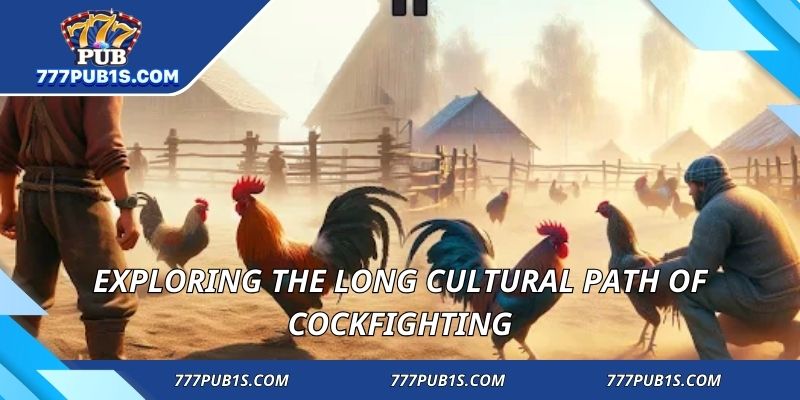
The beginnings of Knife Cockfighting trace back centuries, rooted in traditions where communities gathered for sport and spectacle. Historical accounts show that birds bred for strength and agility became symbols of pride, carrying the reputation of their keepers into every match.
As time passed, the sport evolved with the introduction of blades attached to roosters, creating a more intense and unpredictable competition. This shift amplified both the excitement and the risks, drawing crowds eager to witness skillful breeding and daring wagers.
In many regions, the practice became deeply linked with social gatherings, festivals, and family legacies. Today, its significance lies not only in the act of competition but also in the layered cultural meanings that surround it, with rituals, ceremonies, and community identity preserved. One hundred words here illustrate how heritage continues to shape perception even as the modern world reframes its role in society.
Key features that define knife cockfighting matches
To understand why the sport has remained relevant, it helps to identify the traits that set it apart from other contests. Each feature reflects a mixture of tradition, competition, and spectacle, making the experience memorable for both participants and observers. Below are the defining aspects that explain how the game continues to capture attention.
- Blades are attached to each rooster’s legs to heighten intensity. This single change transformed the contest into a faster and more unpredictable event.
- Breeding focuses on traits like stamina, speed, and resilience. Generations of careful selection ensure that only the strongest birds compete.
- Matches are often organized with structured rules and referees. These officials provide authority, ensuring results are trusted and disputes are minimized.
- The outcome relies on instinctive fighting behaviors rather than training. Unlike other sports, the natural instincts of the animals define the performance.
- Enthusiasts observe rituals that elevate the sport to cultural status. These customs connect participants with their heritage, turning matches into symbolic acts.
- Discussions increasingly focus on safety, welfare, and regulatory oversight. Such conversations demonstrate a shift toward responsibility and critical engagement.
- Technology now connects audiences with conversations beyond local arenas. Online platforms make the traditions accessible to people across different backgrounds.
Cultural presence and modern reflections today
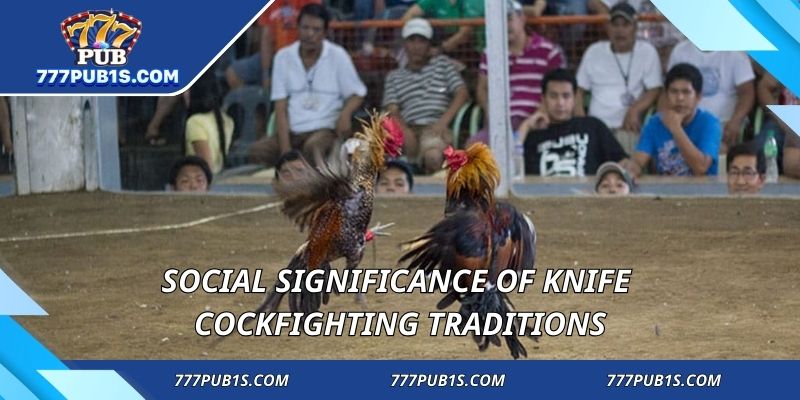
While the roots of this sport run deep, its presence today requires more nuanced understanding. Communities still view it as a symbol of heritage, but audiences are more aware of welfare concerns and ethical discussions. Platforms have become spaces where the cultural aspects are highlighted alongside critical debates.
Knife cockfighting in traditional contexts
This game continues to carry ceremonial meaning. Birds are chosen with great care, reflecting generations of breeding practices. In many families, owning a champion rooster is tied to reputation, honor, and even spiritual beliefs.
For spectators, attending matches once marked participation in community rites. This ceremonial angle demonstrates why the sport cannot be understood solely as competition—it represents a living connection to ancestry.
Shifts in entertainment and public conversation
The way people talk about the sport has shifted dramatically. Audiences now encounter documentaries, articles, and online forums where debate centers on tradition versus ethics. This change reflects broader shifts in entertainment, where audiences look not just for spectacle but also for understanding of context.
For some, Knife Cockfighting sparks nostalgia; for others, it prompts questions about animal welfare. Both sides shape the narrative, ensuring the practice remains relevant even in critique.
Global awareness and responsible framing
With broader access to information, conversations about cockfighting have reached international levels. Today, responsible framing is vital—highlighting its heritage while balancing awareness of welfare. This does not erase its cultural value but rather situates it within global discourse.
Knife Cockfighting thus becomes both a lens into tradition and a topic for contemporary responsibility. By engaging this way, enthusiasts and critics alike acknowledge complexity rather than oversimplifying the practice.
Gameplay, rules, and audience experience explained
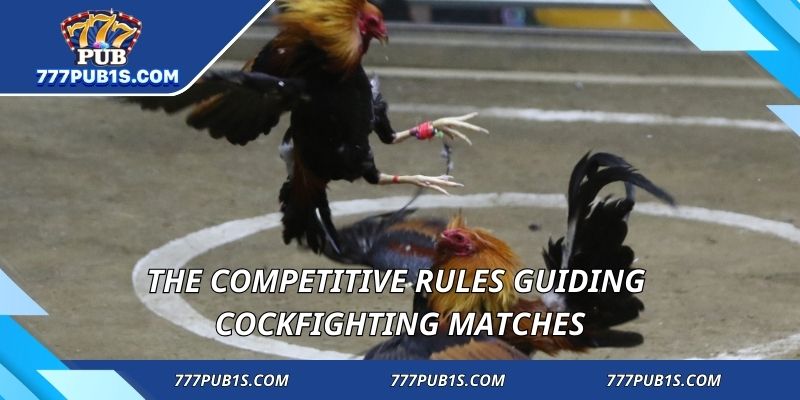
Understanding the rules of the sport helps reveal why it continues to draw fascination. Birds are matched by weight and strength, ensuring fairer outcomes. Referees oversee the contest, monitoring injuries and determining winners. Rules dictate blade size and match duration, providing structure amid the chaos.
Audiences play a vital role, contributing to the energy through cheering, wagering, or simply observing. For many, the tension of uncertainty defines the experience—the unpredictability of each strike keeps matches gripping.
One hundred words here expand on the sensory detail: the roar of the crowd, the blur of wings, and the suspense before each decisive moment. Such imagery highlights why Knife Cockfighting resonates emotionally as a spectacle, beyond the technicalities of the rules. Despite its controversy, it captivates through raw displays of instinct, courage, and community interaction, reinforcing its status as a memorable cultural event.
Modern platforms and digital engagement today
As traditions enter digital spaces, audiences find new ways to connect. Streaming, forums, and dedicated sites open discussions to a global scale. Modern platforms highlight both heritage and debates around responsibility. This duality means that Knife Cockfighting is not only observed in local arenas but also followed in digital conversations worldwide.
- Streaming services broadcast archived or dramatized versions of events. This offers audiences an immersive way to revisit classic matches and their atmosphere.
- Forums create space for cultural and ethical dialogue. Here, enthusiasts and critics can debate respectfully while sharing their perspectives.
- News outlets provide coverage that blends history with critical reflection. These reports keep the topic visible while presenting multiple sides of the issue.
- Social media amplifies voices from enthusiasts and welfare advocates alike. Each post contributes to ongoing discussions, expanding awareness beyond traditional settings.
- Responsible platforms stress balanced engagement and awareness. They stand out for combining cultural appreciation with modern sensitivity.
Conclusion
Knife Cockfighting remains a striking example of how heritage, entertainment, and cultural identity intertwine. In today’s landscape, audiences encounter the practice both in physical spaces and through digital platforms like 777PUB, which highlight awareness and balance in presentation.





